Traps
Squirrel Snare

(1) Make a small loop by wrapping the snare wire around a pencil-diameter stick twice, then turning the stick to twist the wire strands together. (2) Pass the long wire end through the loop to form the snare. (3) To build a squirrel snare, attach a series of small wire snares around a long stick propped against a tree. You can catch several at a time with this setup.
Twitch-Up Snare

(1) Tie a small overhand loop knot in your parachute cord, then fold the loop back on itself to form Mickey Mouse ears and weave the tag end through the ears as illustrated. (2) To build the twitch-up snare, use more cord to tie a spring pole or the branch of a small tree in tension. (3) Set up a trigger mechanism like the one shown. When the animal’s head goes through the loop, the trigger is released, and it snatches the animal into the air, out of reach of other predators.
Taken from & for more info---http://www.fieldandstream.com/fieldstream/outdoorskills/article/0,13199,493459,00.html
Natural Shelter
Fallen Trunk A fallen trunk alone provides a good windbreak scoop out a small hollow on the leeward side and construct a lean-to roof of boughs.
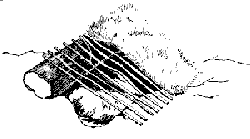
Stone Barriers A shelter is more comfortable if you have enough headroom to sit up in it. So build up a low wall of stones around a hollow or shallow excavation. Caulk the walls with mud, leaves, twigs and turf, finish with a roof of branches and turf.

Sapling Shelter If you should happen upon a growth of saplings, clear the ground between them and lash their tops together, weave branches between them and consolidate with ferns and turf. A similar effect can be gained by driving pliable branches firmly in the ground.
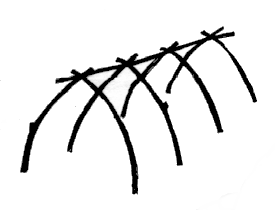
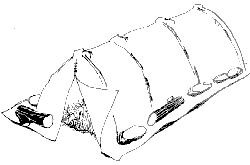
If you have your "bug-out" or emergency kit you should have access to some form of waterproof sheeting, throw this over the saplings and weight with stones or logs
 Taken from & for more info---
http://www.solareagle.com/PREP/SHELTER.HTML


No comments:
Post a Comment